Nordea Asset Management
Market insights and commentary from Nordea Asset Management.
Sweden5 articlesLast published 6 May 2026
Multi-AssetEquitiesFixed Income
Research

Nordea Asset ManagementFixed Income
Thinking beyond cash in a world with few safe havens - Nordea Asset Management
Nordea Asset Management argues that traditional government bonds and cash are no longer reliable safe havens due to rate volatility, fiscal pressures, and eroding real returns, particularly in the European context. The piece advocates for a low-duration, market-neutral approach focused on high-quality covered bonds as a productive alternative to idle cash, highlighting Nordea's Active Rates Opportunities Strategy as a solution.
6 May 2026

Nordea Asset ManagementMulti-Asset
Best ideas for 2025: How to thrive in a changing world - Nordea Asset Management
Nordea Asset Management presents four investment ideas for 2025, covering high-quality bonds, global listed real estate, multi-asset growth strategies, and diversity & inclusion-focused equities. The piece argues that declining interest rates, persistent disinflation, and shifting asset correlations create distinct opportunities across these four asset classes for return enhancement and portfolio diversification.
30 Mar 2026

Nordea Asset ManagementThematic
Europe’s Security Ramp Up: Investing in Defence for Strategic Autonomy
Nordea Asset Management's Rene M. Petersen outlines the structural investment case for European defence, cybersecurity, and critical infrastructure, anchored by the EU's ReArm Europe / Readiness 2030 plan targeting up to €800bn in defence investment. The piece argues that strategic autonomy represents a durable, multi-year theme - beyond cyclical momentum - favouring both large defence groups and less-visible small- and mid-cap enablers with domestic European footprints.
30 Mar 2026

Nordea Asset ManagementThematic
The impact of Iran conflict on Europe’s energy resilience efforts
Nordea Asset Management's co-portfolio manager of the Empower Europe Strategy, Hilde Jenssen, discusses how the Iran conflict differs from the 2022 Russia-Ukraine shock by creating a persistent geopolitical risk premium rather than acute supply shortages, reinforcing multi-year capital allocation toward energy security. The piece identifies grid infrastructure, transmission, downstream electrification, and energy efficiency as the most compelling long-term opportunities, underpinned by Europe's €300bn REPowerEU programme.
30 Mar 2026
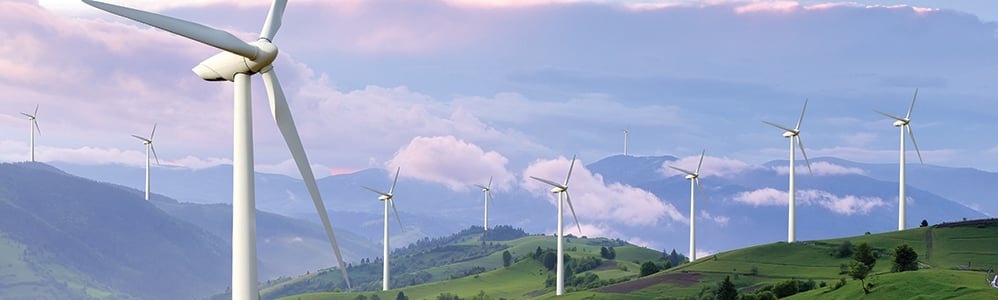
Beyond the "vibes": sustainability-conscious investing remains resilient - Nordea Asset Management
Nordea AM's Head of Responsible Investments argues that ESG investing, particularly in the energy transition, is maturing rather than retreating, with clean energy economics increasingly competitive regardless of near-term policy headwinds in the US and Europe. The piece highlights engagement-driven outcomes - including methane reduction coalitions and utility sector stewardship - as evidence that institutional demand for credible sustainability strategies remains structurally intact.
4 Mar 2026