Rathbones
Market insights and commentary from Rathbones.
United Kingdom5 articlesLast published 18 Jun 2026
Multi-AssetEquities
Research

RathbonesESG
Troubled waters? The investment case for stopping the AI cloud from draining the river | Rathbones
Rathbones examines the rapidly growing water consumption of AI-driven data centres - projected to reach 1.2 trillion litres annually by 2030 - and the financial risks this poses to technology companies operating in water-stressed regions. The piece assesses emerging cooling technologies, corporate disclosure gaps, and the stewardship case for engaging tech and semiconductor firms on water as a material financial risk.
18 Jun 2026

RathbonesMulti-Asset
International retirement planning: making your wealth work across borders | Rathbones
Rathbones Financial Planning outlines the key financial complexities facing globally mobile individuals, covering cross-border tax residency, overseas property ownership structures, liquidity planning, and multi-jurisdictional succession. The piece emphasises the importance of joined-up advice and long-term flexibility over short-term tax optimisation when managing wealth across multiple countries.
18 Jun 2026

RathbonesMulti-Asset
Redefining retirement support in a new age of uncertainty | Rathbones
Rathbones hosts a webinar-style session exploring how financial advisers and investment managers can collaborate more closely to deliver personalised, client-centric retirement support that addresses both financial and emotional challenges across the decumulation journey. The session also covers the evolving advice profession, the role of adviser diversity, and practical strategies for managing drawdown, market volatility, and life transitions in retirement.
18 Jun 2026
RathbonesEquities
Investment update video: Back of the net for stock markets | Rathbones
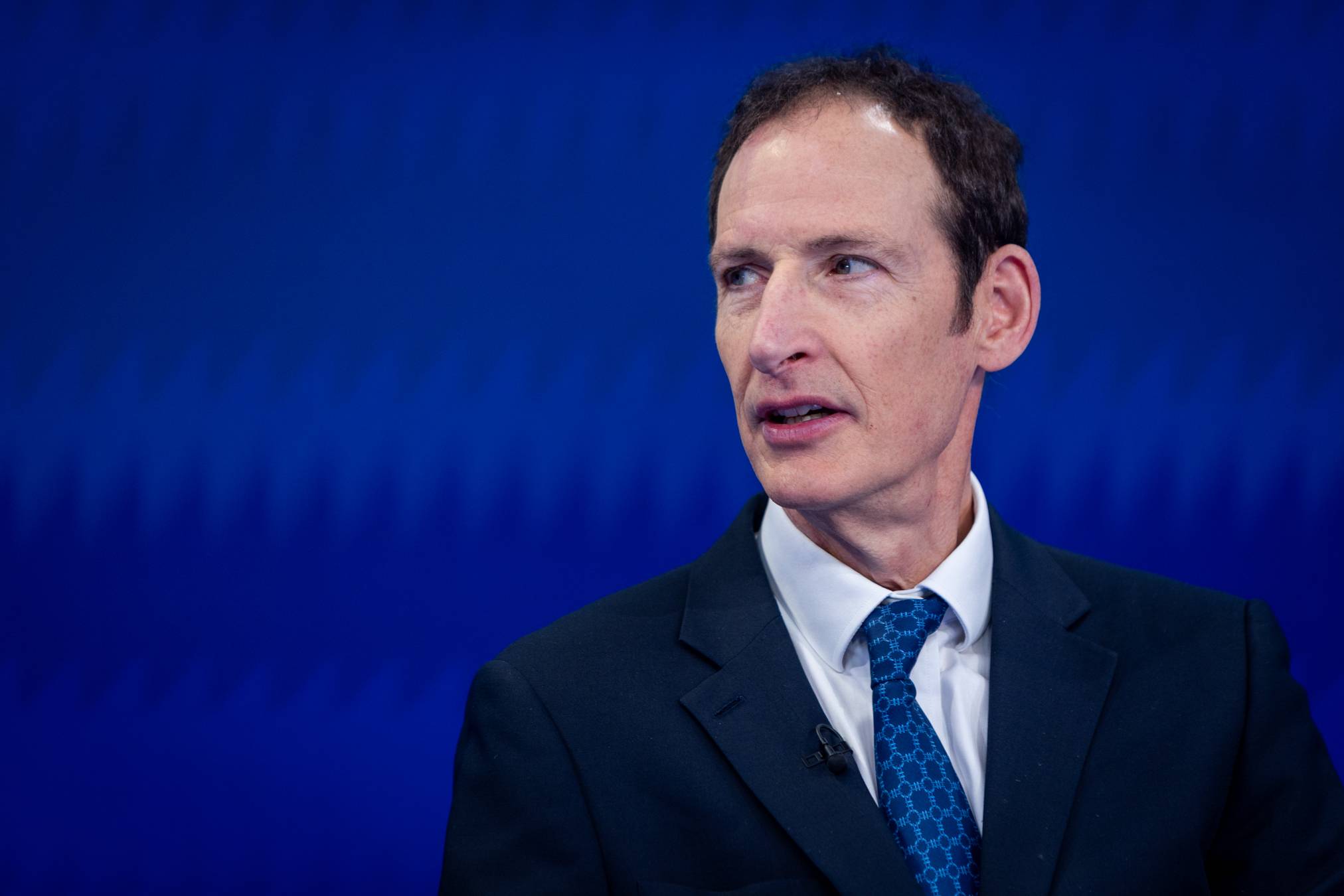
Rathbones' Head of Market Analysis John Wyn-Evans reviews why global equity indices remain near all-time highs in June 2026, citing US Q1 earnings growth of 26% (well above the ~12% forecast) and strong AI-driven semiconductor profits benefiting Asian and EM markets. He also identifies key risks to portfolios including the ongoing Iran-Israel conflict and Strait of Hormuz closure, the prospect of rising interest rates amid sticky inflation, and a historic wave of upcoming share issuance from SpaceX, Anthropic, and OpenAI.
17 Jun 2026

RathbonesMulti-Asset
Weekly Digest: Playing to the market conditions | Rathbones
Rathbones' Head of Market Analysis John Wyn-Evans argues for maintaining a constructive investment stance despite Middle East geopolitical uncertainty, noting that easing oil prices (Brent back below $80) have reduced UK rate expectations to 4% by December from a peak of 4.6% in mid-March. The digest also covers UK inflation surprising to the downside at 2.8%, a US CPI annual rate of 4.2%, the ECB's first rate hike since September 2023, and diverging economic signals from China.
17 Jun 2026